

The Japanese video game market has always operated on its own frequency, prioritizing handheld convenience and localized software over raw, power-hungry home consoles. However, June 2026 has delivered a historical milestone that industry analysts will study for years: the Nintendo Switch 2 has officially outsold the base PlayStation 5 model in cumulative Japanese hardware sales.
This isn't just a minor fluctuation in weekly charts. This is a full-blown hardware revolution. Powered by the highly anticipated release of Star Fox (2026) and insulated from the brutal global hardware cost hikes affecting its competitors, Nintendo’s hybrid successor has cemented its absolute dominance in its home country.
How did Nintendo pull off this massive market coup, and what does it tell us about the changing tides of the tenth console generation? Let's dive deep into the data, the software, and the macroeconomic forces shaping the gaming landscape today.
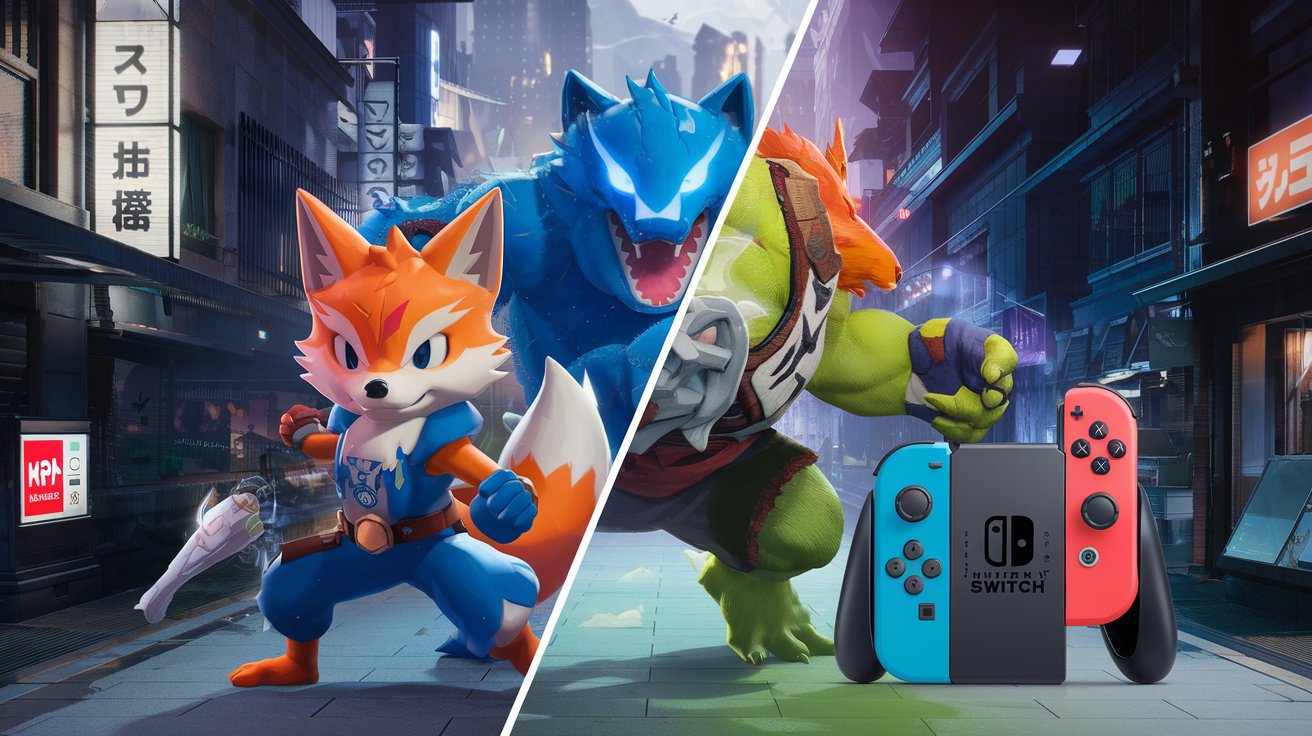
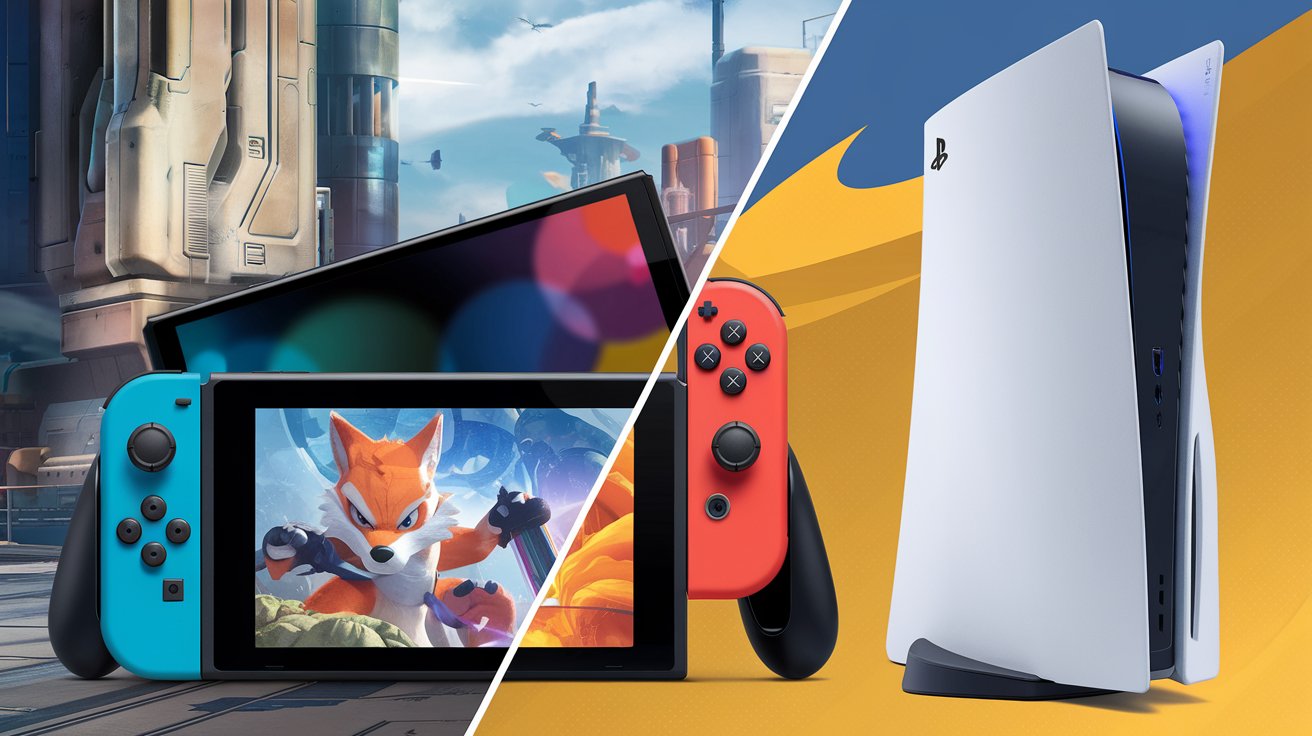
The Numbers Behind the Shift: Switch 2 Surpasses the PS5 Base Model
According to the latest Japanese retail data compiled by Famitsu, the Nintendo Switch 2 has reached a sales trajectory that eclipses Sony's flagship console. While the PlayStation 5 has enjoyed a strong lifecycle globally, its momentum in Japan has hit a brick wall.
The baseline numbers tell a stark story:
| Console Platform | Japanese Market Positioning (Mid-2026) | Primary Consumer Driver | Current Regional Price (Approx.) |
|---|---|---|---|
| Nintendo Switch 2 | Market Leader (Outselling PS5 Base) | Hybrid Portability / First-Party IP (Star Fox) | ¥49,800 ($310 USD equivalent) |
| PlayStation 5 (Base) | Steady, but declining weekly volume | High-End Cinematic Games / AAA Exclusives | ¥55,000 (Highly subsidized region-locked model) |
| Xbox Series X | Distant third; severely impacted by price hikes | Game Pass Integration | ¥119,900 (Following August 2026 price spike) |
The "Star Fox Effect": A System Seller Reimagined
Hardware is only as good as the software that sells it, and Nintendo’s secret weapon for mid-2026 was the grand return of an iconic franchise. The launch of Star Fox (2026) has acted as the ultimate catalyst for Switch 2 adoption across Japan.
Developed in collaboration with Velan Studios, Star Fox (2026) serves as a stunning technical showcase for the Switch 2's upgraded processor. It demonstrates that hybrid hardware can deliver gorgeous, high-fidelity visuals at rock-solid frame rates. Players can transition seamlessly from dogfighting in the oceans of Zoness to navigating the industrialized ruins of Macbeth.
"The game leans heavily on nostalgia and bare-bones updates of classic Star Fox 64 frameworks, yet delivers gorgeous, seamless dogfighting action that serves as the perfect showcase for the hybrid hardware's raw potential."
While some Western reviewers, including coverage found on the IGN Video Game, Movie, and Entertainment Hub_2, noted that the game leans heavily on nostalgia and "bare-bones" updates of classic Star Fox 64 frameworks, the domestic Japanese market has responded with unbridled enthusiasm. The game’s release triggered a massive wave of console upgrades, with retailers across Tokyo reporting instant sell-outs of Switch 2 bundles.
By delivering a beloved, fast-paced action game that looks breathtaking on a handheld screen, Nintendo reminded the market of its unparalleled ability to convert legacy IP into hardware-selling gold.
Global Pricing Crisis vs. Nintendo's "Blue Ocean" Strategy
To fully understand why Nintendo is running away with the Japanese market, we have to look at the broader, incredibly bleak state of gaming hardware in 2026. The tech sector is currently in the grip of "RAMageddon"—a severe global component shortage affecting NAND flash memory, RAM, and SSD storage.
This crisis has forced Microsoft to raise Xbox console prices to unprecedented heights (with the discless Series X starting at $749.99 and the disc version hitting $799.99). Meanwhile, Valve's newly launched Steam Machine has experienced major sticker shock, launching at an eye-watering $1,049 starting price.
While Sony and Microsoft struggle to source affordable high-end chips and storage solutions, Nintendo has maintained a highly optimized, cost-efficient assembly pipeline. By utilizing a custom Nvidia Tegra architecture designed specifically for efficient mobile scaling, Nintendo has managed to keep the Switch 2 retail price accessible.
In a domestic market like Japan, where wage growth has remained flat and consumer spending is highly calculated, a console priced under ¥49,800 will always outperform an $800 entertainment system. Nintendo didn't just win the hardware war through brand loyalty; they won it through masterful macroeconomic navigation.
The Future of the Japanese Console Market: What This Means for Gen 10
The Switch 2’s victory over the PS5 in Japan is a harbinger of how the tenth console generation will be fought globally. As manufacturing costs rise, the traditional model of selling subsidized, ultra-powerful hardware at a loss is becoming unsustainable.
Sony's focus is increasingly shifting toward high-margin digital storefronts and leveraging AI scaling for the rumored PlayStation 6. In contrast, Nintendo has proven that a refined, highly versatile hybrid device with an attractive price point is immune to traditional "console war" metrics.
With rumors of a new, smaller, and cheaper line of Switch 2 game cartridges on the horizon, Nintendo is preparing to lock down its supply chain for the next five years. For third-party developers, the message is clear: if you want to succeed in the world's most influential gaming market, your game must run on Nintendo Switch 2.
Frequently Asked Questions (FAQs)
Conclusion
The Nintendo Switch 2 surpassing the PlayStation 5 in Japan is more than just a local sales victory; it is a validation of Nintendo’s unique philosophy. While the rest of the industry faces escalating corporate layoffs, studio closures, and runaway hardware pricing, Nintendo has thrived by keeping its feet firmly on the ground. By pairing a brilliant, affordable hybrid design with a stunning first-party showcase in Star Fox, Nintendo has proved once again that playing your own game is the best way to win.
Bonus Tips: How to Track and Capitalize on Japanese Gaming Market Trends
To stay ahead of the curve as a content creator, writer, or SEO specialist, keep these highly effective strategies in mind when covering the Japanese gaming landscape:
Monitor Weekly Famitsu Sales Early
Famitsu releases retail hardware and software estimates every Thursday.
Tracking these metrics allows you to spot sudden spikes in Nintendo Switch 2 sales Japan long
before Western outlets pick up the story.
Target Long-Tail Import Keywords
Many gamers seek Japanese exclusive bundles, region-locked details, or
accessory compatibility. Use terms like Switch 2 Japan import compatibility or
how to buy Japanese eShop games on Switch 2
to capture high-value search intent.
Leverage Niche Communities
Subreddits like r/Games and r/GamingLeaksAndRumours often translate Japanese insider blogs (such as ryokutya2089) hours before major news sites publish. Participating in these threads can give your SEO content a massive headstart.